| | ProClim – Forum for Climate and Global ChangeProClim Briefing No 9
22.10.2024 | |
|
|
|
| | Klimadebatte in der Sackgasse? Renommierte Fachleute fordern Kurswechsel in der Kommunikation | |
| |
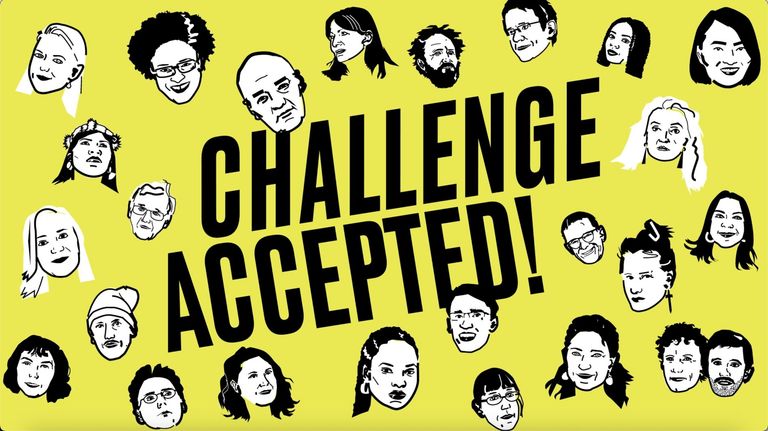
Fachleute aus Wissenschaft, Journalismus, Kommunen und Nichtregierungsorganisationen fordern einen Kurswechsel in der Kommunikation über Klimathemen. Anlässlich des K3-Kongresses zur Klimakommunikation mit rund 370 Teilnehmenden in Graz wurde der Aufruf heute veröffentlicht. Ab sofort ist er zur Unterschrift frei. Weiter | |
| | K3-Preis für Klimakommunikation vergeben: «Der Klimawandel ist real – aber wir können etwas tun» | |
| |
Wie kann es gelingen, Menschen für Klimaschutz zu interessieren? Für ein Thema, das bei vielen Menschen Gefühle der Hilflosigkeit auslöst und das als politisch konfliktträchtig erlebt wird? Dies ist die zentrale Frage des K3-Preises für Klimakommunikation, der in Graz zum vierten Mal vergeben wurde. Sechs Projekte – darunter zwei aus der Schweiz – aus Medien, Gemeinden, Zivilgesellschaft und Wissenschaft erhielten die mit insgesamt 14‘000 Euro dotierte Auszeichnung für wegweisende Ansätze der Kommunikation zum Klimawandel. Weiter | |
|
| | | 29.10.2024 ETH-Klimarunde 2024Gespräch, Zürich
❯❯ | |
| | 04.-08.11.2024 Energy Week @ ETH 2024Veranstaltung, Zürich
❯❯ | |
| | 05.11.2024 Mobiliar Lab Lectures: Rekorde und schwarze SchwäneVortrag, Bern
❯❯ | |
| | 08.11.2024 Schaffen wir die Energiewende bis 2050?Tagung, Emmen
❯❯ | |
| | 13.11.2024 Forum Netto Null 2024Konferenz, Bern
❯❯ | |
| | 12.-13.11.2024 International Pond Conference 2024Konferenz, Online
❯❯ | |
| | 13.11.2024 Forum für Wissen 2024: Herausforderungen und Lösungsansätze im Umgang mit RisikenVeranstaltung, Davos Platz
❯❯ | |
| | 21.11.2024 Klimastrategie Landwirtschaft und Ernährung 2050Tagung, Zollikofen
❯❯ | |
| | 20.-22.11.2024 5. Workshop zur Alpinen Hydrologie: Ausprägung und Wandel hydrologischer Prozesse im HochgebirgeWorkshop, Obergurgl ❯❯ | |
| | 21.11.2024 Plattform Kreislaufwirtschaft und Regionalentwicklung «Erfolgreich für die KLW sensibilisieren»
Veranstaltung, Online ❯❯ | |
|
|
|
|
|
| | | Starke Gletscherschmelze trotz viel Schnee in der Höhe | |
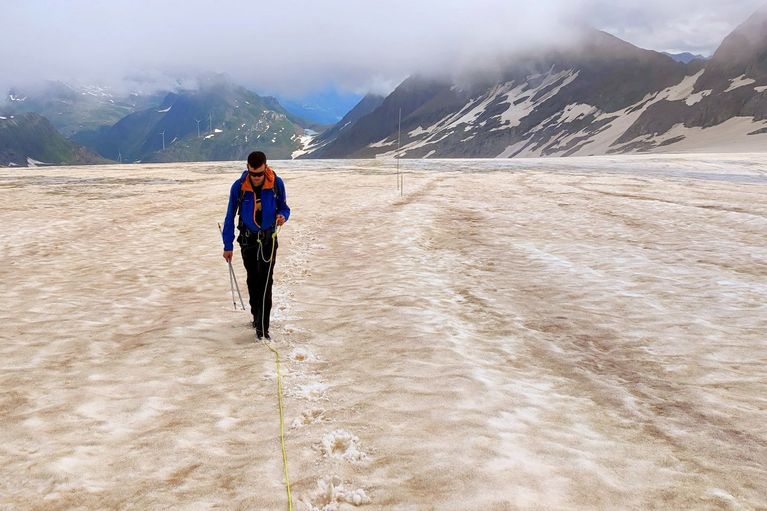
| | Nach den Extremjahren 2022 und 2023 ist keine Entspannung für die Schweizer Gletscher in Sicht: Trotz aussergewöhnlich grosser Schneemengen im Winter führten teils rekordhohe Temperaturen im Juli und August, kombiniert mit Saharastaub, zu einem Verlust von 2,5 Prozent des Gletschervolumens. Das berichtet die Schweizerische Kommission für Kryosphären-beobachtung der Akademie der Naturwissenschaften Schweiz am ersten Oktober. Weiter / Plus / More
| |
|
|
|
|
|
| | | Klimadienstleistungen bieten praxisnahe Lösungen für eine sich verändernde Welt | |
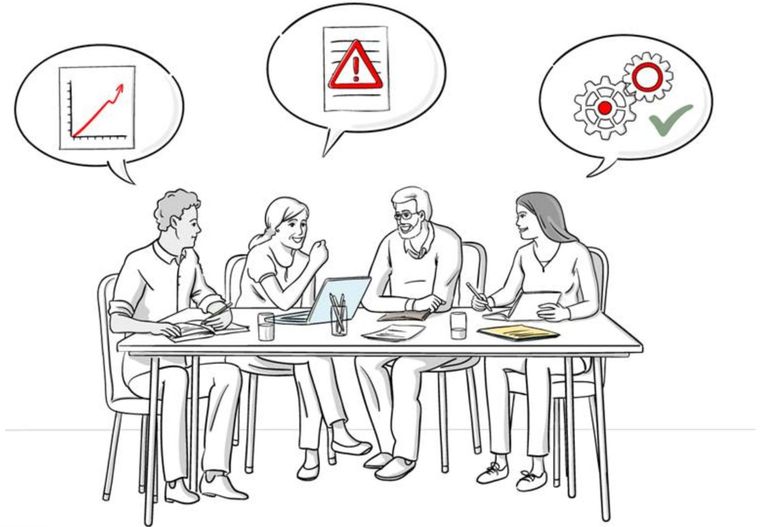
| | Aufgrund der weltweit zunehmenden Auswirkungen des menschgemachten Klimawandels werden praxisorientierte Klimainformationen immer wichtiger. Eine neue internationale Artikelserie unter Federführung der MeteoSchweiz zeigt, wie sogenannte Klimadienstleistungen für Entscheidungstragende erarbeitet und für Anpassungsstrategien genutzt werden. Weiter
| |
|
|
|
|
|
| | | Grosses Potenzial für Energieeinsparung in der Schweizer Industrie | |
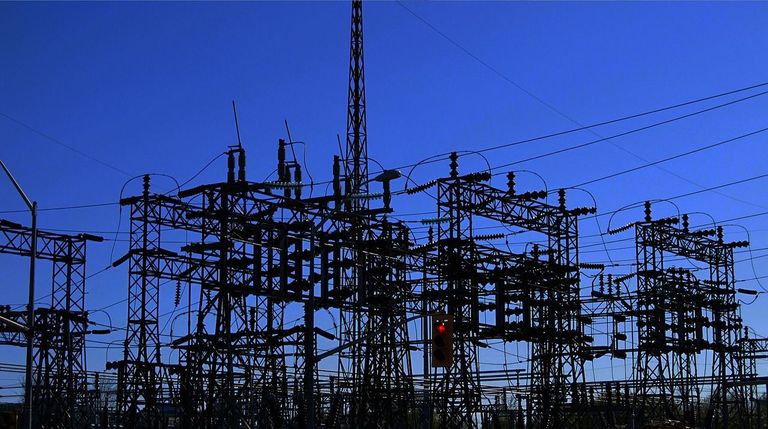
| | Rund ein Fünftel des Energieverbrauchs in der Schweiz fliesst in die Industrie. Gerade die Unternehmen aus den energieintensiven Branchen haben ein grosses Interesse, ihren Energieverbrauch zu optimieren. Um sie dabei zu unterstützen, bietet das Bundesamt für Energie (BFE) im Rahmen von EnergieSchweiz das Förderprogramm «Pinch Energieanalysen für industrielle Betriebe» an. Weiter / Plus / Di più
| |
|
|
|
|
|
| | | The World Glacier Monitoring Service call for data
| |
| | The World Glacier Monitoring Service (WGMS) regularly compiles and publishes standardized data on glacier changes in length, area, volume, and mass based on in-situ and remotely sensed observations. A corresponding call-for-data is annually sent out through the National Correspondents of the WGMS who organize the collection and submission of the glacier data within their country. The data submission deadline is 1 December 2024. More
| |
|
|
|
|
|
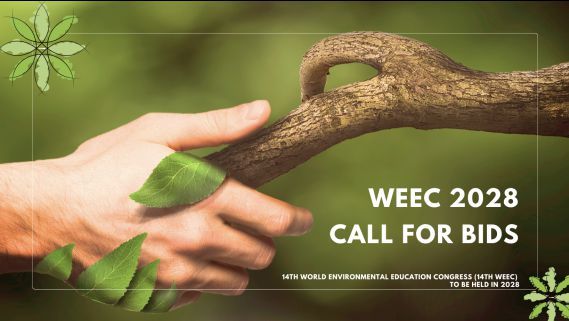
| | | World Environmental Education Congress 2028 call for bids is now open! | |
| | The call for bids to host the 14th World Environmental Education Congress, which will take place in 2028, has officially opened. This global event brings together leaders, experts, and professionals in environmental education, offering a unique platform for sharing knowledge, promoting best practices, and advancing the global conversation on environmental sustainability. Deadline: 31 December 2024. More
| |
|
|
|
|
|
| | | Youth Science Meeting applications open
| |
| | The aim of the Youth Science Meeting (YSM) is to support the development of young paleoscientists (early-career researchers; ECRs) by providing the opportunity to advance their scientific skills and to build international networks among colleagues at a similar career level, as well as with leading senior scientists. ECRs are given the opportunity to present their work, while also participating in tutored workshops on topics that are pressing and important for ECRs today. Deadline for applicants is 1 December 2024. More | |
|
|
|
|
|
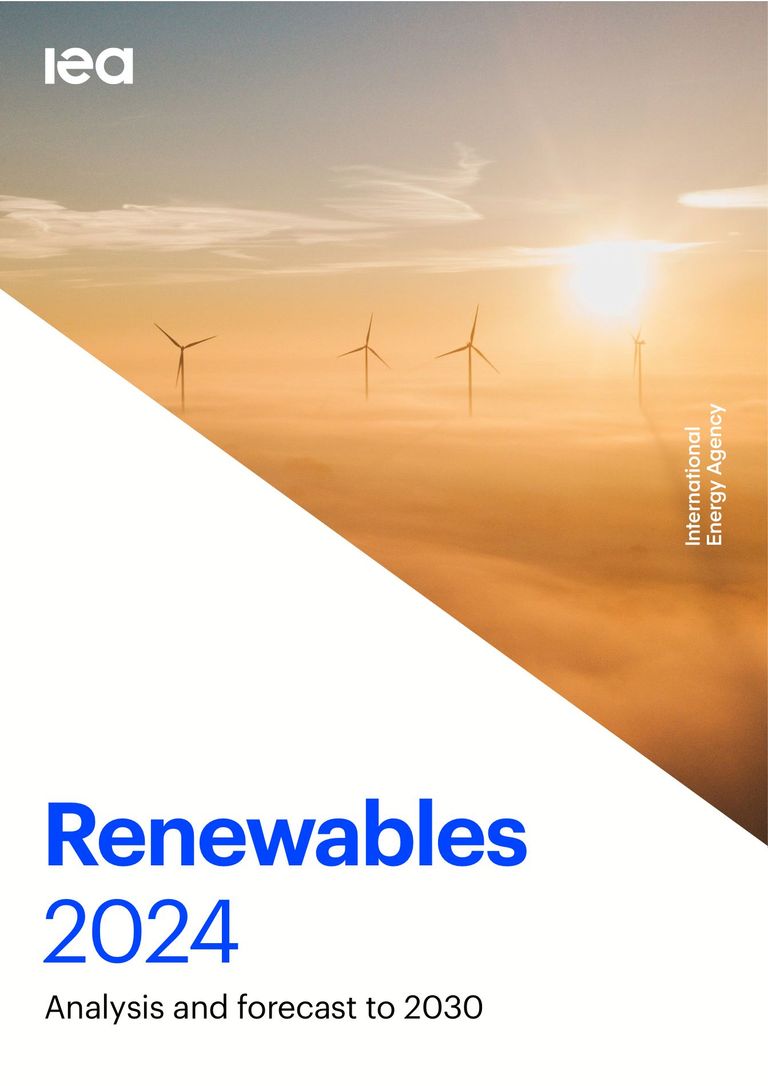
| | | Due to supportive policies and favourable economics, the world’s renewable power capacity is expected to surge over the rest of this decade, with global additions on course to roughly equal the current power capacity of China, the European Union, India and the United States. This edition of the IEA’s annual Renewables market report provides forecasts for the deployment of renewable energy technologies in electricity, transport and heat to 2030, while also exploring key challenges facing the industry and identifying barriers that are preventing faster growth. More | |
|
|
|
|
|
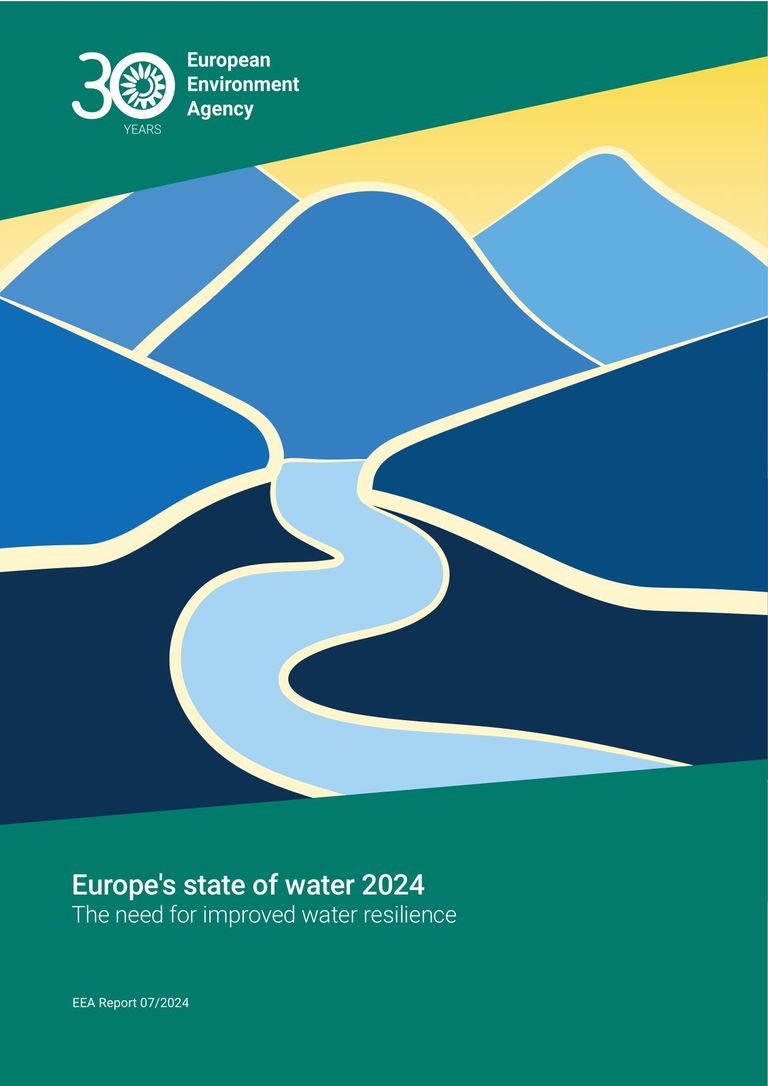
| | | Europe's state of water 2024: The need for improved water resilience | |
| | This report published by the European Environment Agency (EEA) presents the current state of Europe's water and outlines the overarching challenges future water management faces. Europe's citizens, environment and economy are intrinsically dependent on water, yet the continuing availability of sufficient, good quality water cannot presently be assured. Major pressures challenging Europe's water resilience include pollution, changes to physical features and natural flow of rivers, water abstraction, and climate change. The report emphasizes that urgent action is needed to improve water resilience and ensure a sustainable freshwater supply. More
| |
|
|
|
|
|
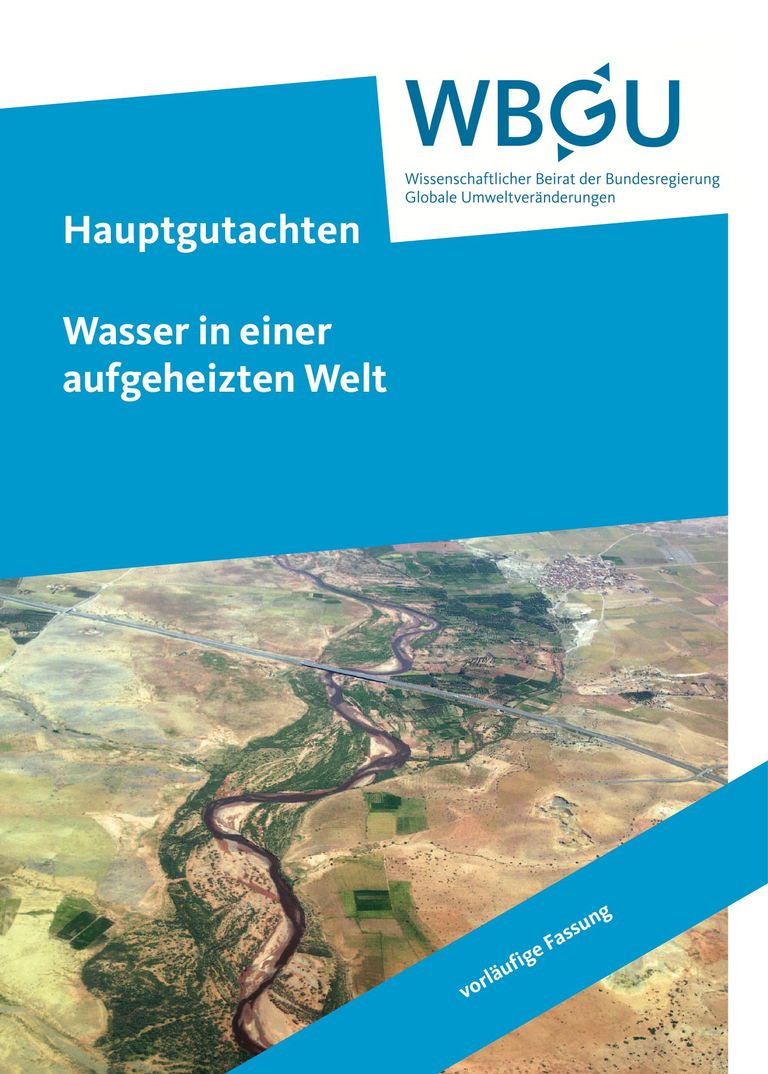
| | | Wasser in einer aufgeheizten Welt | |
| | In einer klimatisch und geopolitisch aufgeheizten Welt verschärfen sich die Herausforderungen um Wasser substanziell. Unsicherheit wird Normalität, Grenzen der Beherrschbarkeit könnten überschritten werden. Diesem Thema widmet sich das neue Hauptgutachten des Wissenschaftlichen Beirats der Bundesregierung Globale Umweltveränderungen. Weiter
| |
|
|
|
|
|
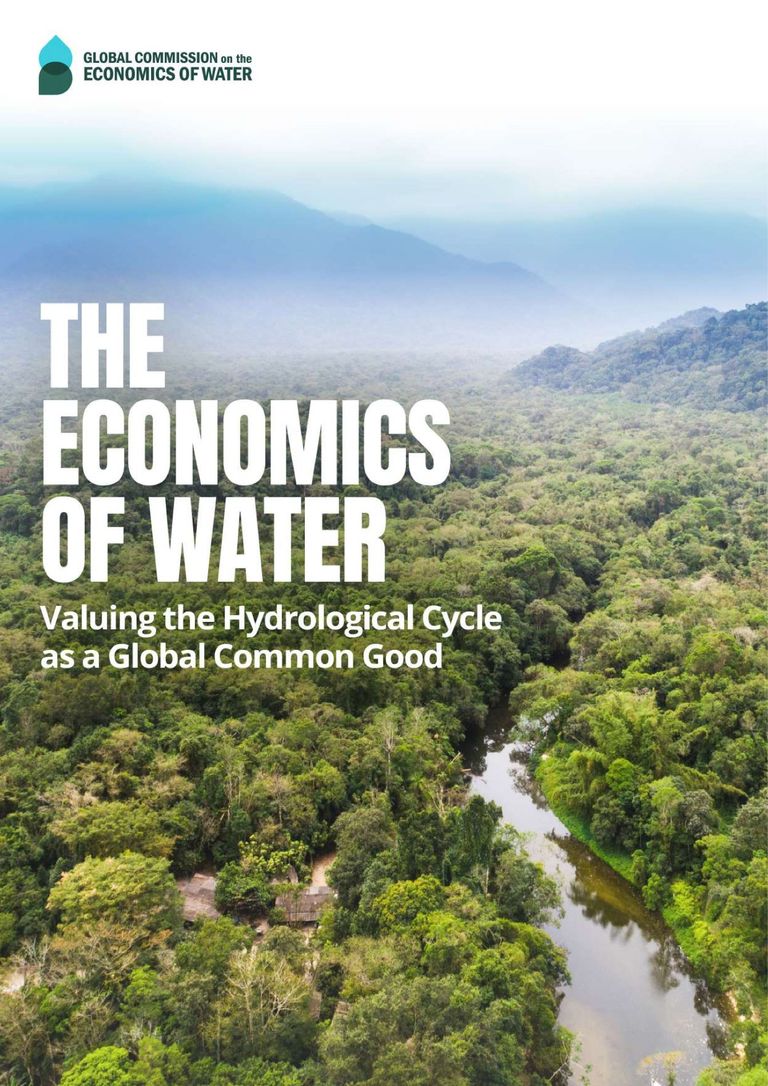
| | | The Economics of Water – Valuing the Hydrological Cycle as a Global Common Good | |
| | The Global Commission on the Economics of Water has issued a clarion call for urgent reform in how we value and manage water resources worldwide. The report highlights the pressing need to restore stability to the global water cycle, ensure safe water access, and secure food security and sustainable development for all. The consequences of inaction are dire, with the ongoing water crisis disproportionately affecting vulnerable populations and undermining progress on climate change and the Sustainable Development Goals. The Commission advocates for a new economics of water that prioritizes collective global action, efficiency, and long-term benefits. More
| |
|
|
|
|
|
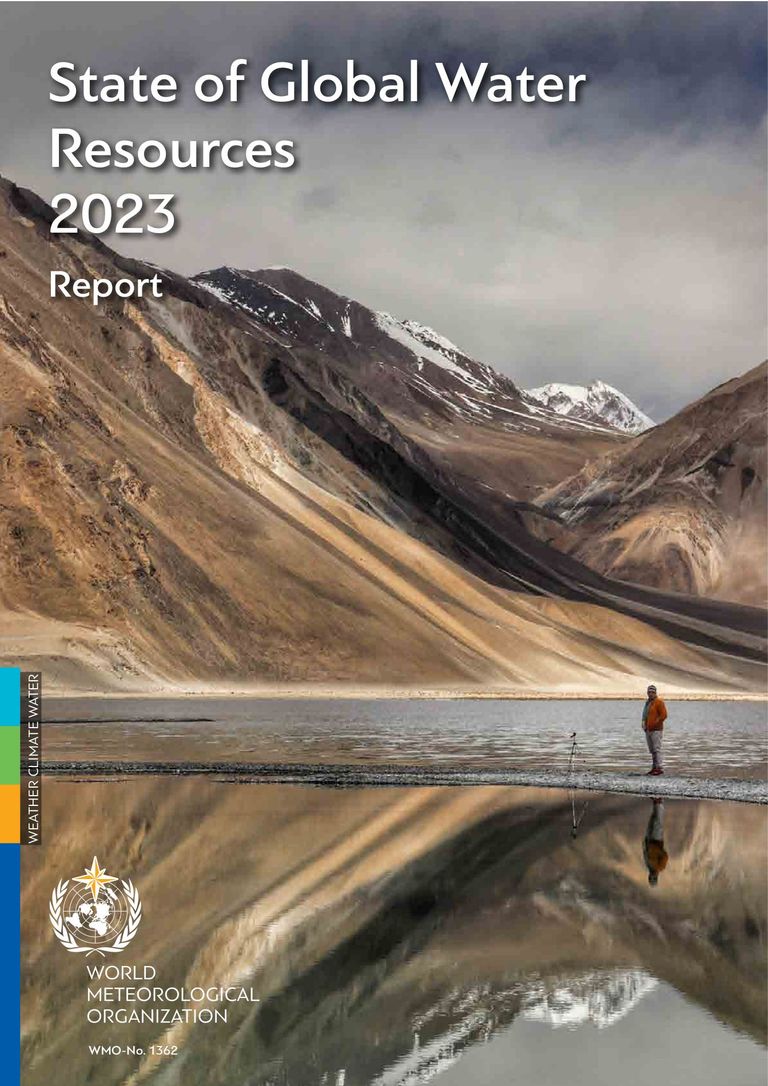
| | | State of Global Water Resources 2023 | |
| | The State of Global Water Resources report highlights severe stress on global water supplies, with five consecutive years of below-normal river flows and reservoir inflows. This shortage is affecting communities, agriculture, and ecosystems. In addition, glaciers experienced their largest mass loss in the last 50 years, with 2023 marking the second year of widespread ice loss globally. More
| |
|
|
|
|
|
| | | How to measure and quantify biogenic carbon removals | |
| | The objective of most certification mechanisms is to turn greenhouse gas emission reductions or removals into tradable commodities. To achieve this, each certificate issued by a mechanism must reliably represent the same amount of greenhouse gas reduced or removed from the atmosphere. The report compares selected standards to work out advantages and disadvantages of existing monitoring methods for an EU certification of carbon removals. More | |
|
|
|
|
|
| | | The EU Carbon Removal Certification Framework: Options for using certified removal units and funding mitigation activities | |
| | With the Carbon Removal Certification Framework (CRCF), adopted in 2024, the EU established a voluntary framework for carbon removal certification, which includes criteria for the certification of removals, rules for the certification process and the recognition of certification schemes. This report discusses the options for how certified removal units may be used and what policy options are available to complement funding for removals besides revenues generated through the CRCF. More | |
|
|
|
|
|
|