| | Forum for Climate and Global Change (ProClim)
Newsletter on climate and energy No 0630.06.26 | |
|
|
|
| | Dorothea Hug Peter,
Scientific associate at the Swiss Biodiversity Forum | | | |
|
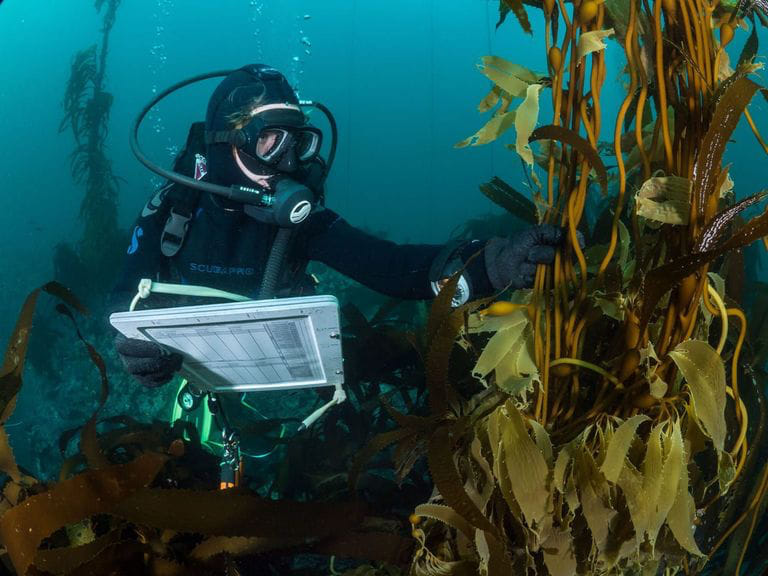
| | | Hello , You've probably also had a few conversations about the weather in the past week. The current heatwave is impossible to ignore. I’m writing this post in my comparatively cool cellar: a privilege. We humans are glad when we have such places of refuge. Animals and plants, too, have to cope with changing climatic conditions. Some species can move to higher altitudes or cooler locations, but this only works if habitats are interconnected. Extreme heat therefore doesn’t just affect us humans: climate change is also a direct driver of biodiversity loss, whilst biodiversity, in turn, influences climate change. At the same time, both crises have similar causes: the way we manage our economies, produce goods and consume resources uses up too many resources and comes at the expense of the climate, nature and future generations. We have been aware for years that scientific findings on the climate crisis are being questioned or downplayed; today, we are seeing similar patterns with regard to biodiversity loss. There are many good reasons to tackle the climate and biodiversity crises together. Awareness of this is also growing at an international level: whilst the Intergovernmental Panel on Climate Change (IPCC) and the Intergovernmental Science-Policy Platform on Biodiversity and Ecosystem Services (IPBES) prepare scientific findings within their own committees and processes, they intend to strengthen their cooperation in the future. We are taking up this initiative and inviting researchers from the fields of climate and biodiversity research to a joint event. International experts from both Science-Policy Interfaces will also be present. You can find out more about this event here. We're looking forward to welcoming many of you there. | |
 |
|
|
|
|
|
| | © Kate Vylet/California Sea Grant | |
| | Register now: Biodiversity x Climate: Swiss community meets IPBES and the IPCCAt this one-day event, you will get insights into and discuss relevant topics on the nexus of biodiversity and climate change. Various representatives from the international Science-Policy Interfaces IPBES and the IPCC will be present to share their experience of working in such an environment. The event seeks to connect the two communities, nationally as well as internationally, in order to foster cooperation and knowledge exchange. Find out more and register now here!
| |
|
|
|
| | Checking in with… Vally Koubi: How global warming shapes conflict and cooperationArmed conflicts are on the rise worldwide. What role does climate change play in these conflicts, and how do wars and violence affect climate change, as well as societies’ ability to cope with climate impacts? We spoke to Vally Koubi, Professor at the University of Bern and ETH Zurich, whose research focuses on the social consequences of climate change. Continue reading
| |
|
|
|
| |
Rising temperatures and more frequent extreme weather events pose a significant health risk to urban populations. Heat builds up in cities, creating so-called ‘urban heat islands’. In Switzerland, this is evident from the fact that night-time temperatures in cities are up to 5–7 °C higher than in the surrounding rural areas. Green spaces and trees can help to reduce this risk and improve the urban climate. Read more about this in this Flash article (available in German and French).
| |
|
| | | © Baugeschichtliches Archiv, Juliet Haller, 2015 | |
|
|
|
|
|
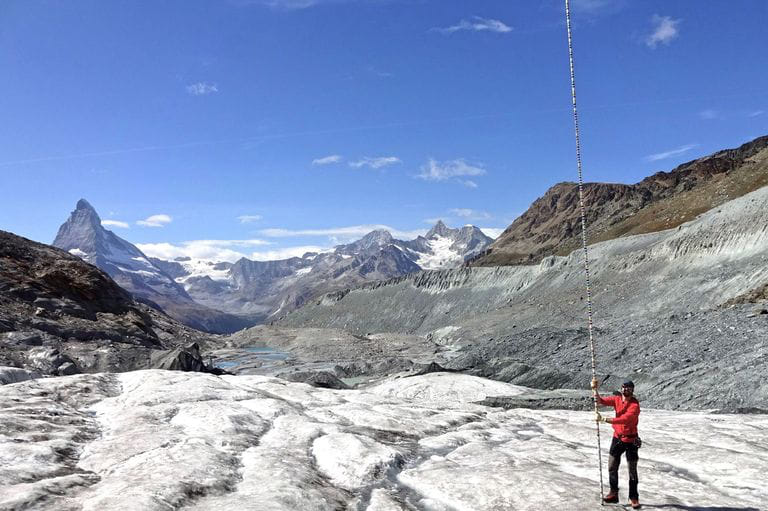
| | Swiss glaciers have exhausted their snow reserves
| |
| | From 29 June onwards, Switzerland’s glaciers will have exhausted their snow reserves. Every litre of meltwater now causes them to lose mass – this is Glacier Loss Day. Between the extreme years of 2003 and 2022 alone, 200 square kilometres of ice – an area almost as large as the canton of Zug – have disappeared. This is reflected in the volume of meltwater, as analyses show: although ice loss was more severe in the summer of 2022 than in 2003, less water flowed off the glaciers. Read more here
| | | |
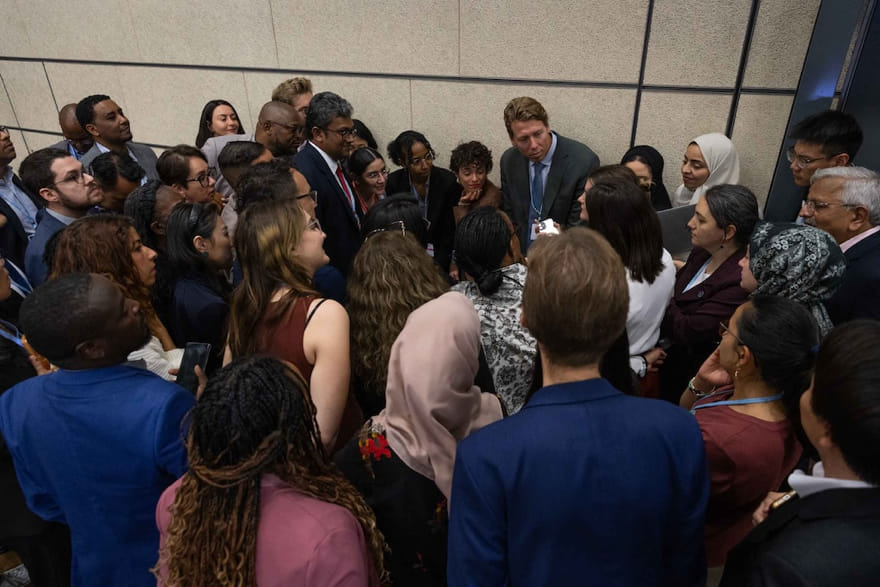
| | Bonn climate talks: Key outcomes from the June 2026 UN climate conference | |
| | Two weeks of tense UN climate talks in Bonn, Germany, have produced few tangible outcomes as diplomats faced “gridlock”. Negotiators failed to find agreement in numerous areas, such as scaling up global emissions cuts and funding for climate adaptation. In the closing plenary, many diplomats lamented weakened trust in the UN climate process, as it struggled to find its footing in a new geopolitical landscape. As ever, climate finance was one of the greatest sources of tension between developed and developing countries, influencing the debate around adaptation and trade in the Bonn talks. Many countries criticised “coordinated attacks” on science by those with “fossil-fuel interests”. Some delegates saw progress on a “just transition mechanism” to support communities through decarbonisation as a positive outcome, with a package of texts agreed for the COP31 climate summit in Antalya, Turkey. Read more here
| | | |
| | 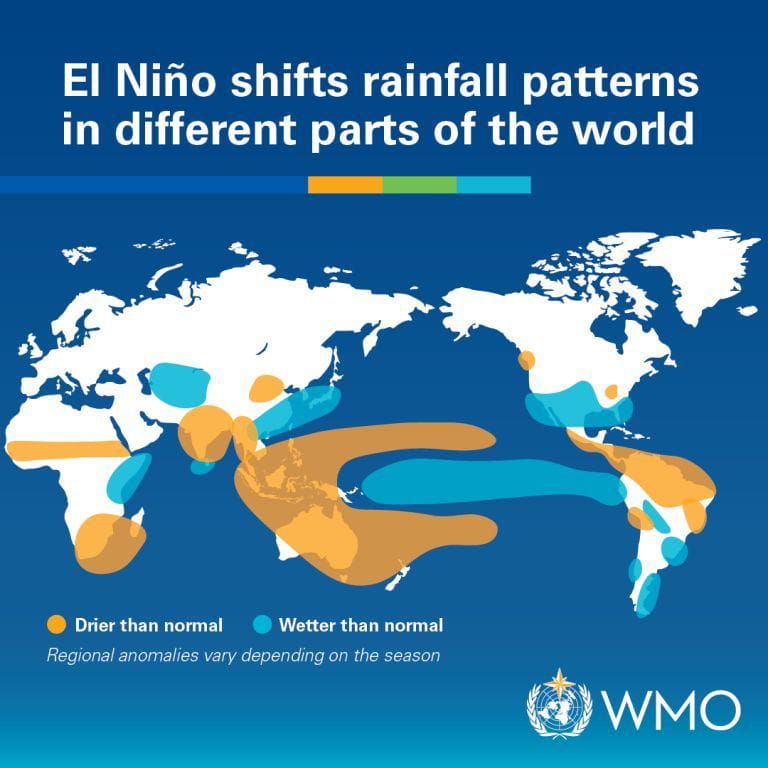 | | | |
| | Fueled by unusually warm ocean waters in the tropical Pacific, El Niño conditions are developing and are set to influence global temperature and rainfall patterns, increasing the risk of extreme weather over the coming months. A new WMO El Niño/La Niña Update indicates an 80% likelihood of an El Niño event during June–August 2026. Probabilities for this to continue until at least November are near or above 90%. Find out more
| | | |
|
| | | 01.07.2026 Railway Capacity in the Context of Sustainability
Conference, Zürich ❯❯
| |
| | 07.-10.07.2026 3rd International Symposium on Work in Agriculture
Conference , Zollikofen ❯❯
| |
| | 21.08.2026 Biodiversity x Climate: Swiss community meets IPBES and the IPCC
Symposium, Wabern bei Bern ❯❯
| |
| | 09.09.2026 “Beat the Heat” Conference 2026
Conference, Bern ❯❯
| |
| | 09.09.2026 ScienceComm 26Conference, Bern ❯❯
| | | |
|
|
|
|
|
| | Call: Projects to reduce greenhouse gas emissions | |
| | For the second time, the University of Bern is launching the “Ready to Reduce” ideas competition to support concrete projects aimed at reducing greenhouse gas emissions. The submission date is possible 30. June 2026. They are looking for projects ready for implementation that contribute to reducing greenhouse gases in the following areas: Reuse and circular economy, energy efficiency and energy-saving measures, sustainable mobility, resource efficiency in laboratories and research infrastructures. The Deadline for submitting project ideas is 30 September 2026. Read more here
| |
|
| |
|
|
|
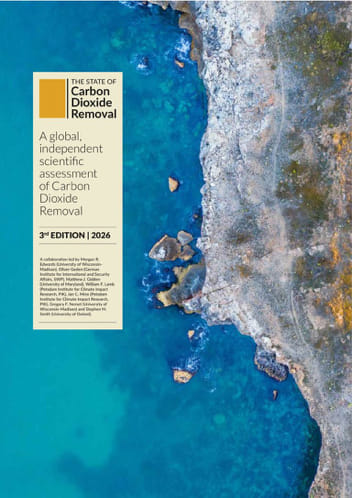
| | The State of Carbon Dioxide Removal: 3rd Edition
| |
| | Carbon dioxide removal (CDR) will be necessary to limit climate change, accompanying rapid and deep emissions reductions. The State of CDR 3rd Edition collates new insights, explores knowledge gaps and defines core concepts while also aiming to improve the reliability and accessibility of CDR data. This first chapter sets out the role of CDR in climate change mitigation, defines CDR for the purposes of this report, outlines the characteristics of key CDR methods and presents an overview of the report and key improvements from previous editions. Find out more | |
|
| |
|
|
|
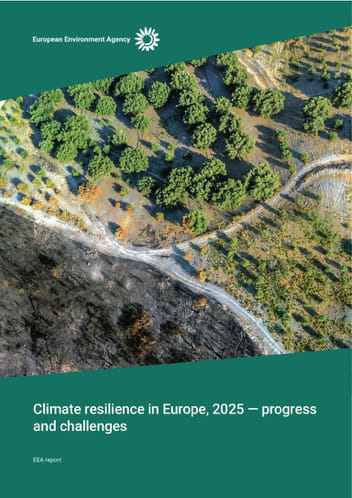
| | Climate resilience in Europe, 2025 - progress and challenges
| |
| | Europe is warming twice as fast as the global average, making climate resilience increasingly urgent. While all EEA member countries have adaptation policies in place, progress remains uneven. Gaps in climate risk assessments, implementation, financing, monitoring and cross-border cooperation limit preparedness. Shared methodologies, metrics and the systematic assessment of adaptation measures, alongside clearer coordination and risk ownership, are needed to track and advance climate resilience across Europe. This European Environment Agency report provides a consolidated overview of reported national adaptation actions across Europe between 2021 and 2025. Find out more
| |
|
| |
|
|
|
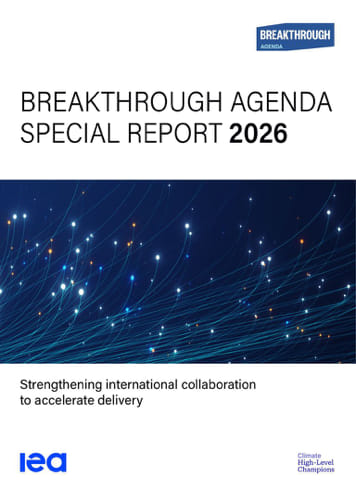
| | Breakthrough Agenda Report 2026
| |
| | The Breakthrough Agenda has served as a framework for strengthening international collaboration across major emitting sectors. Participating countries have endorsed shared “Breakthrough” goals to make clean technologies and sustainable practices more affordable, accessible and attractive than their alternatives by 2030 across the power, road transport, hydrogen, steel, cement and buildings sectors. The Breakthrough Agenda establishes an annual cycle to track progress towards these goals, identify where stronger or more co‑ordinated international action is needed, and support collective efforts to accelerate deployment. Find out more
| |
|
| |
|
|
|
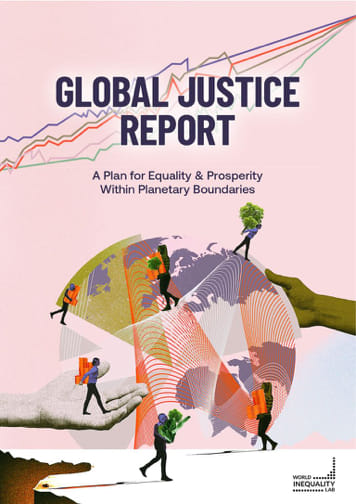
| | The Global Justice Report: A Plan for Equality & Prosperity Within Planetary Boundaries
| |
| | The Global Justice Report attempts to set out a new vision for global progress in the 21st century: grounding human development and equality in planetary habitability. It explores the conditions under which the world could move toward this horizon and traces an economically and ecologically consistent transition path from 2026 to 2100. Fast decarbonization of energy systems is necessary. But we also need a major shift toward sufficiency – understood as a sharp reduction in labour hours and material footprint and large changes in consumption patterns, food habits, land use, and forest cover. Find out more
| |
|
| |
|
|
|
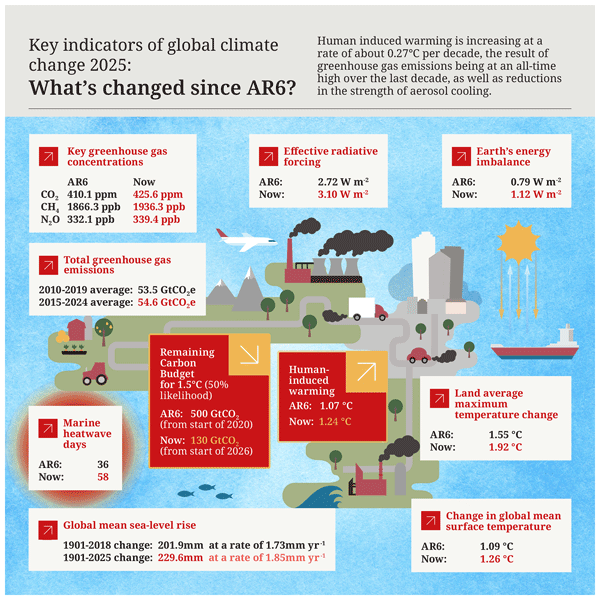
| | Fig. Key indicators of global climate change 2025: What changed since AR6? | |
| | Research impulse of the month
«In a rapidly changing climate, evidence-based decision-making benefits from up-to-date and timely information. We track twelve key sets of indicators of the state of the climate system, closely following Intergovernmental Panel on Climate Change (IPCC) Sixth Assessment report (AR6) methods, to produce our fourth annual publication. One of the indicators, the Earth's energy imbalance (EEI) provides a crucial integrative measure of the overall heating of the planet and the pace of climate change – this has more than doubled since the 1976–1995 period. A newly added indicator of temperature extremes, the number of days experiencing marine heatwaves, has more than tripled between 1991 and 2025.»
- Piers M. Forster et al., 2026 Read more here: Indicators of Global Climate Change 2025: annual update of key indicators of the state of the climate system and human influence | |
|
|
|
| |
Swiss Academy of Sciences (SCNAT) Forum for Climate and Global Change (ProClim) | |
|
|
|
|