| | Forum for Climate and Global Change (ProClim)
Newsletter on climate and energy No 0102.02.26 | |
|
|
|
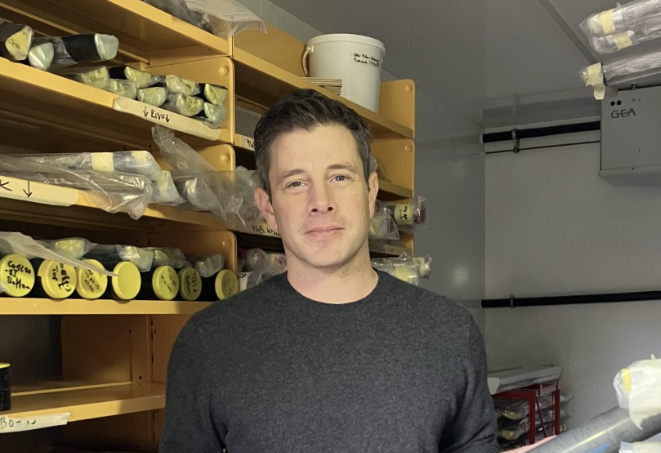
| | Johan Nöthiger, Project lead «Energy»
| | | |
|
| | | Hello , Decarbonising the energy system is essential for achieving Switzerland's climate targets. In my daily work, I am constantly dealing with the challenges that this transition brings. One of these is the increasing seasonal discrepancy between energy production and demand. Seasonal storage can play an important role here and offer additional advantages. At the same time, it is clear that the current circumstances often still make its widespread use difficult. I focused on these issues in the recently published report by the SCNAT Energy Commission. In my view, the issue of security of supply is at least as important as the one of seasonal energy storage. The ongoing electrification of the transport and heating sectors and the expansion of renewable electricity generation are increasing the complexity of our energy system. At the same time, electricity imports and Switzerland's integration into the European electricity system are becoming increasingly important. These topics are discussed in of the Energy Commission's next report, which is dedicated to security of supply (scheduled to be published in 2027). It also attempts to classify the electricity agreement with the EU. I am very much looking forward to interesting discussions and insights on this topic! | | | |
| |  | | | |
|
|
|
|
|
| | The «ProClim Briefing» is now called «Newsletter on climate und energy»New name – same quality. Even under its new name, which aligns with internal harmonisation processes within SCNAT, ProClim will continue to keep you up to date with the latest climate and energy news, as well as publications and events on these topics, once a month. And by the way, we also regularly share exciting content on our LinkedIn channel, for example on political affairs and decisions, international conferences or events in Switzerland. Stay informed – directly in your feed. Follow us here!
| | | |
| |  | | | |
| | Registration opens for Swiss Global Change Day 2026
On 15 April 2026, climate scientists will gather for the 26th Swiss Global Change Day. The event offers a unique opportunity to exchange ideas with colleagues from all over Switzerland. Four high-profile keynote speakers will provide insights into the latest developments in climate research. Another highlight will be the Science Talk, which this year will discuss disinformation and political influence on research in Switzerland. In addition, the poster session offers young researchers an ideal opportunity to present their research. The best poster for each of the three categories will be awarded a prize worth CHF 1,000. You can register for the 26th Swiss Global Change Day from the beginning of February. Stay up to date here! | |
|
|
|
| |
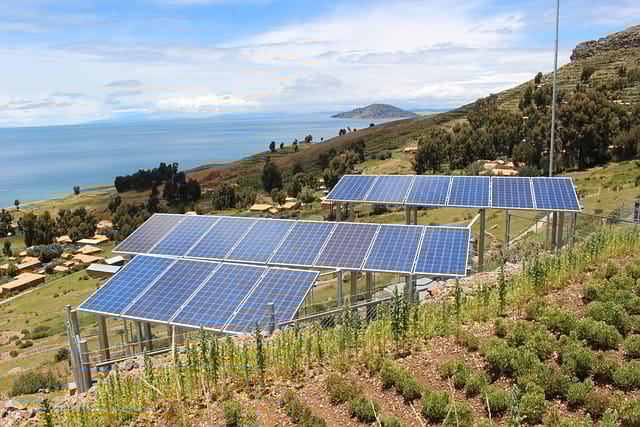
Transforming Switzerland's energy system requires, among other things, increased expansion of renewable energies. However, such facilities alter the landscape. How these landscape changes are perceived by the population influences social acceptance of such facilities. It is therefore important to better understand the landscape perspective and to take it into account when selecting locations for energy facilities. Find out more in this Flash article (available in German and French). | |
|
| |
|
|
|
| | Change in the OCCR Directorate
| |
| | Martin Grosjean will retire on 31 January 2027 and step down after 20 years as the Director of the OCCR and the Graduate School of Climate Sciences. Now, after an international competitive selection process, the Executive Board of the University of Bern has appointed his successor: Hendrik Vogel. Find out more
ProClim warmly congratulates Hendrik Vogel on his appointment and wishes him all the best in his new role.
| | | |
| | Different regions of Switzerland are warming at different rates
| |
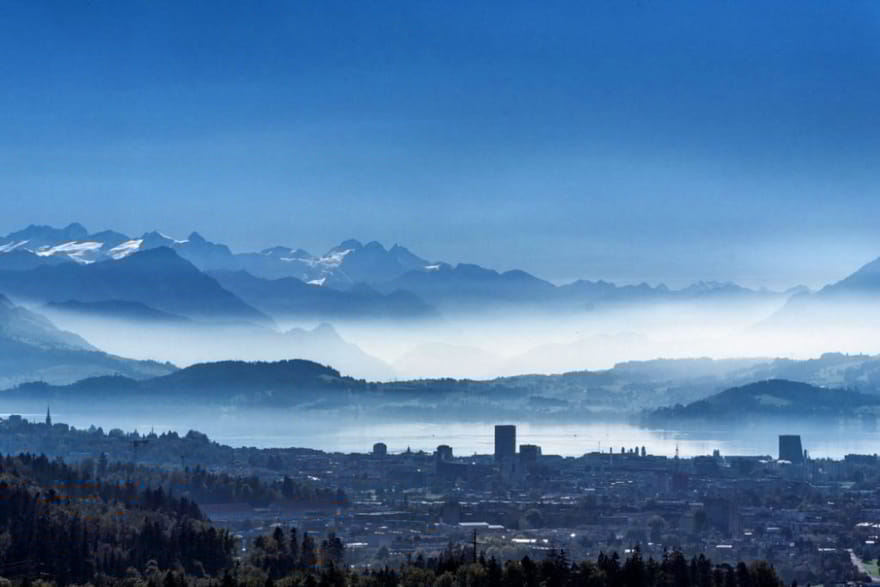
| | The strong warming of Switzerland in recent decades has not been uniform across all altitudes. New analyses by MeteoSwiss show that the Swiss Plateau has warmed more than average in autumn and winter due to less fog, while mid-altitudes have warmed slightly more in spring due to the large loss of snow. Some widely used climate data sets do not adequately reflect these differences. Find out more (available in German and French) | | | |
| | Winners of the 2026 Watt d'Or awards
| |
| | The winners of the 2026 Watt d'Or awards have been chosen! This year's trophies were presented to the winners on 8 January 2026 in Bern. Projects in the categories of ‘energy technology’, ‘renewable energies’, ‘energy-efficient mobility’, as well as ‘buildings and spatial development’ were honoured. You can find out more about the winners here. | | | |
|
| | | 29.-30.01.2026 2nd DACH Climate Ethics Network Workshop
Workshop, Fribourg ❯❯ | |
| | 26.02.2026 Prioritizing technology development pathways for sustainable resource recovery
Presentation, Dübendorf ❯❯ | |
| | 11.03.2026 Book Launch: The Future of Climate Litigation
Lecture, Zurich ❯❯ | |
| | 15.04.2026 26th Swiss Global Change Day
Symposium, Bern ❯❯ | | | |
|
|
|
|
|
| | IPCC: Call for Experts to Review the First-Order Draft of the 2027 IPCC Methodology Report on Inventories for Short-lived Climate Forcers
| |
| | The Intergovernmental Panel on Climate Change (IPCC) is looking for experts to participate in the expert review of the First-Order Draft (FOD) of the 2027 IPCC Methodology Report on Inventories for Short-lived Climate Forcers. Registration is open until 13 February 2026. Read more here
| |
|
| |
|
|
|
| | Call for Abstracts for ICOS Science Conference 2026
| |
| | ICOS Science Conference 2026 takes place 15-17 September 2026 in AF Borgen in Lund, Sweden, and online. The overarching theme of this year's conference is "Science, Data, Services: Together for Climate Action" with sessions covering ICOS's three domains - Atmosphere, Ecosystem and Ocean. The session themes also encompass various topics that span across the scientific domains. The abstract submission deadline is 6. March. Read more here
| |
|
| |
|
|
|
| | Call for Expressions of Interest: World Day for Glaciers 2026
| |
| | UNESCO invites expressions of interest to organize side events at its Headquarters in Paris on 19–20 March 2026, in the context of the World Day for Glaciers 2026 celebration. This event will provide a dedicated platform for interested stakeholders to organize side events showcasing solutions, scientific advances, and partnerships that contribute to glacier preservation, risk reduction, and climate resilience. Side event proposals will be reviewed by UNESCO, and concerned individuals will be notified by mid-February 2026. Read more here
| |
|
| |
|
|
|
| | Global Climate Highlights 2025
| |
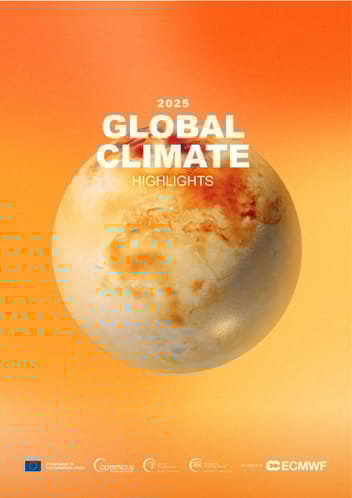
| | Copernicus data show that 2025 was the third warmest year on record1, only marginally (0.01°C) cooler than 2023, and 0.13°C cooler than 2024 – the warmest year on record. The past 11 years have been the 11 warmest on record. Global temperatures from the past three years (2023-2025) averaged more than 1.5°C above the pre-industrial level (1850–1900). This marks the first time a three-year period has exceeded the 1.5°C limit. Air temperature over global land areas was second warmest, whilst the Antarctic saw its warmest annual temperature on record and the Arctic its 2nd warmest. Read more here
| |
|
| |
|
|
|
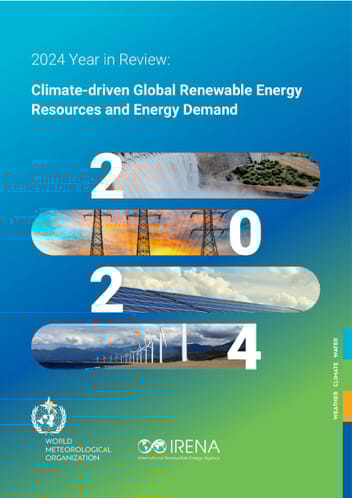
| | 2024 Year in Review: Climate-driven Global Renewable Energy Resources and Energy Demand
| |
| | The third edition of this report finds that 2024—the warmest year on record, with global temperatures reaching around 1.55°C above pre-industrial levels—brought pronounced regional shifts in solar, wind and hydropower potential, alongside a 4% increase in climate-driven global energy demand compared with the 1991–2020 average. Read more here
| |
|
| |
|
|
|
| | The Global Risks Report 2026, the 21st edition of this annual report from the World Economic Forum, marks the second half of a turbulent decade. The report analyses global risks through three timeframes to support decision-makers in balancing current crises and longer-term priorities. Read more here
| |
|
| |
|
|
|
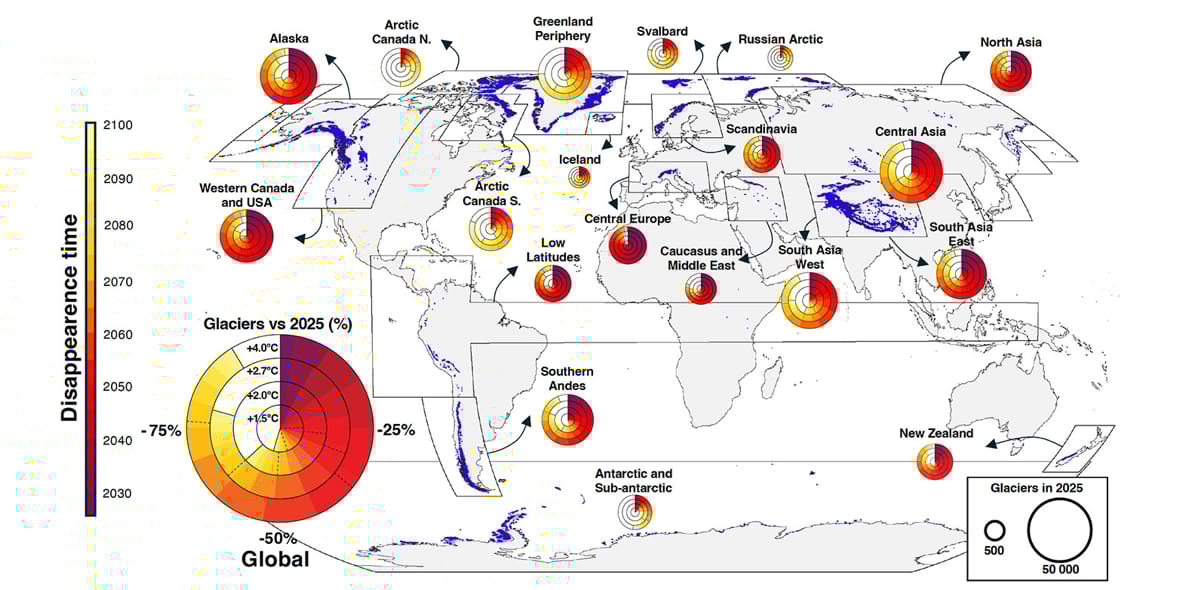
| | Fig. The pie charts show the number of glaciers that are expected to disappear in each global region. The colour gradient indicates when this loss is projected to occur: red hues denote earlier loss, and yellow hues represent later loss. The dashed lines mark the years 2050 and 2075. In the central world map, glacier locations at the inventory date are shown in blue. | | | |
| | Research impulse of the month
Humanity faces its ultimate challenge due to its failure so far in addressing the escalating risks, which are pushing the world into a deepening crisis. We have to rapidly adopt new pathways that reduce negative impacts and optimize regeneration. Today, we exceed our planet’s capacity to sustain life, depriving billions of basic needs amid rising conflict. Yet, with collective will, we can bridge the gap between knowledge and action to safeguard life-support on Earth.
- Van Tricht, L., Zekollari, H., Huss, M. et al. Read the full reasearch article here: Peak glacier extinction in the mid-twenty-first century | | | |
|
|
|
| |
Swiss Academy of Sciences (SCNAT) Forum for Climate and Global Change (ProClim) | |
|
|
|
|