| | Sustainability Research InitiativeNewsletter 4|2025 December 16, 2025
| |
|
|
|
| | Sustainability Science Forum 2025: The conference report is online!
Ensuring a just transition towards a net zero society | | | |
|
|
|
| |
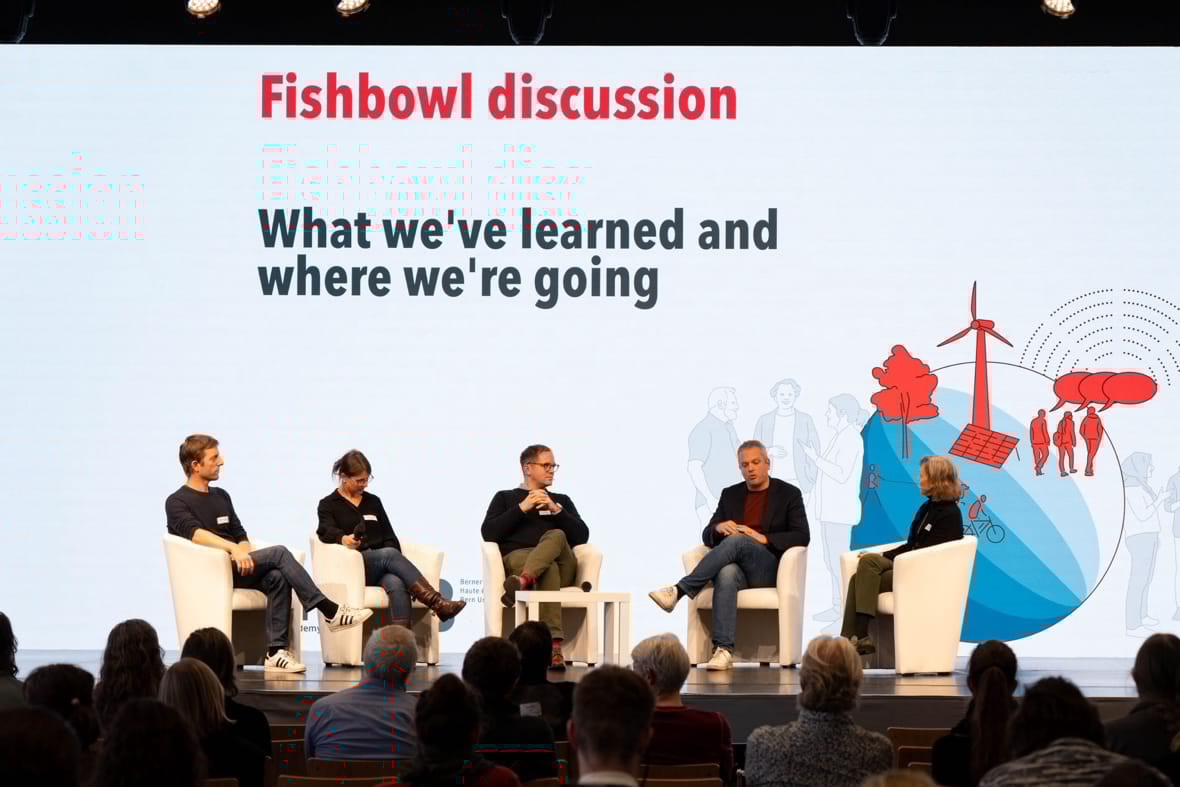
How can the transition to a net-zero society be organised in such a way that it is fair, widely accepted and economically feasible? Experts from the fields of science, politics, business and society addressed this question at this year's Sustainability Science Forum from different angles. Over 250 participants joined the presentations, workshops and discussions at the Eventforum in Bern. The key messages and learnings are now available in the conference report. Zur deutschen Version/ vers la version française | |
|
|
|
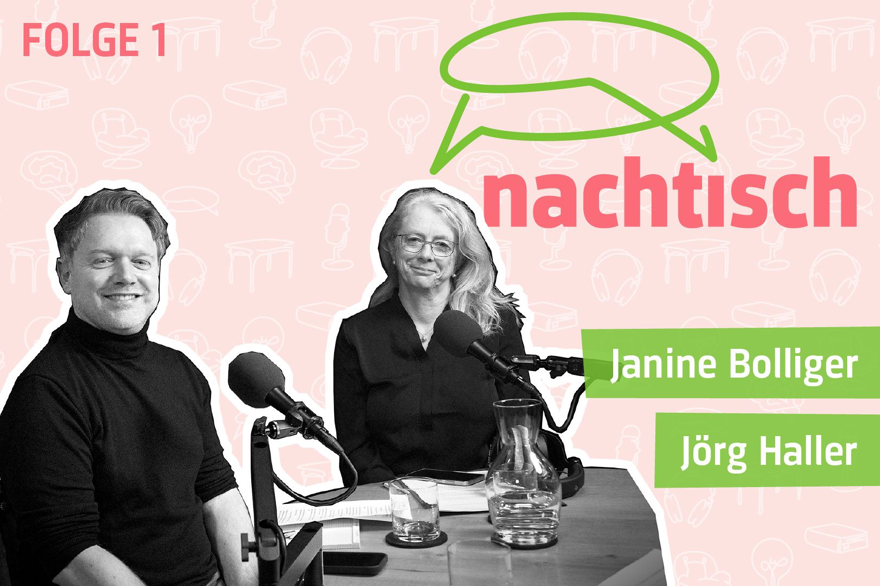
| | | Nachtisch – Nachhaltigkeit im Gespräch: erste Folge des neuen Podcasts der SCNAT | |
| | Nachhaltigkeit zusammen gestalten: Am Nachtisch stellen sich Forscherin und Praktiker kniffligen Fragen und suchen Wege in eine hoffnungsvolle Zukunft. In der ersten Folge des neuen Podcasts der SCNAT diskutieren die Landschaftsökologin Janine Bolliger und der Lichtplaner Jörg Haller, wie sich künstliches Licht auf Natur und Menschen auswirkt und wie eine gute Lichtplanung Biodiversität schützt, Energie spart und Sicherheit schafft. Mehr | |
|
|
|
|
|
| | | HOTSPOT 52/25: Précieuse obscurité | |
| | Nous sommes habitués à avoir de la lumière la nuit que nous remarquons à peine ses effets secondaires. La pollution lumineuse est pourtant, parmi les atteintes contemporaines à l’environnement, l’une des plus sous-estimées. Elle transforme la nuit en jour et perturbe, ce faisant, la faune, la flore et les êtres humains. La nouvelle édition de HOTSPOT du Forum Biodiversité Suisse montre comment la lumière artificielle affecte différents groupes d'organismes pendant la nuit. Plus/ zur deutschen Version | |
|
|
|
|
|
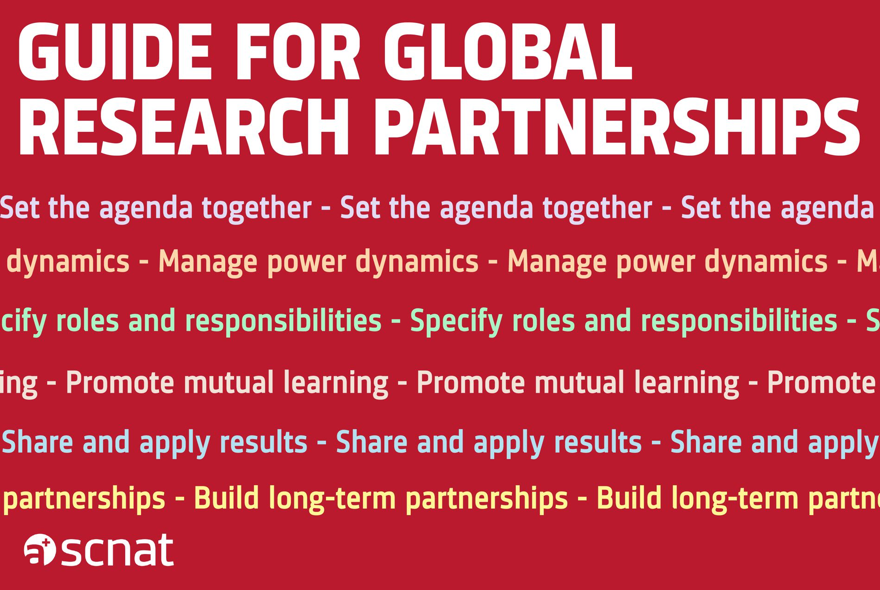
| | | How to achieve good research collaboration –Guide for Global Research Partnerships | |
| | The guide published by the Swiss Alliance for Global Research Partnerships outlines six principles that are key to effective, equitable and impactful research collaboration: joint agenda setting, balanced power relations, specifying roles and responsibilities, mutual learning, the sharing of results and the establishment of long-term partnerships across disciplines and countries are all equally important. The guide can be applied flexibly in different contexts. It was developed in collaboration with over 200 researchers and practitioners from around the world. More | |
|
|
|
|
|
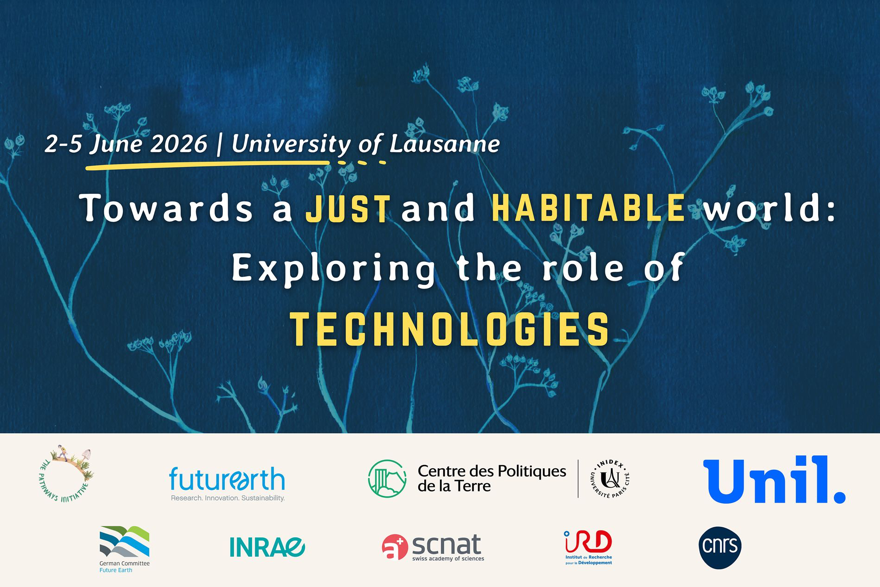
| | | European Sustainability Science Conference 2026 – Towards a just and habitable world: exploring the role of technologyCall for sessions | 2-5 June 2026 | Lausanne
| |
| | The European Sustainability Science Conference 2026 explores how technological systems have the potential to both sustain and undermine well-being and life on Earth. It aims to open a critical conversation on how we might transform technological systems toward sufficiency, equity, and resilience. We are co-organizing this Future Earth conference at the University of Lausanne. The call for sessions is now open – help shape the discussions with thematic sessions, workshops, cultural events and poster presentations. More | |
|
|
|
|
|
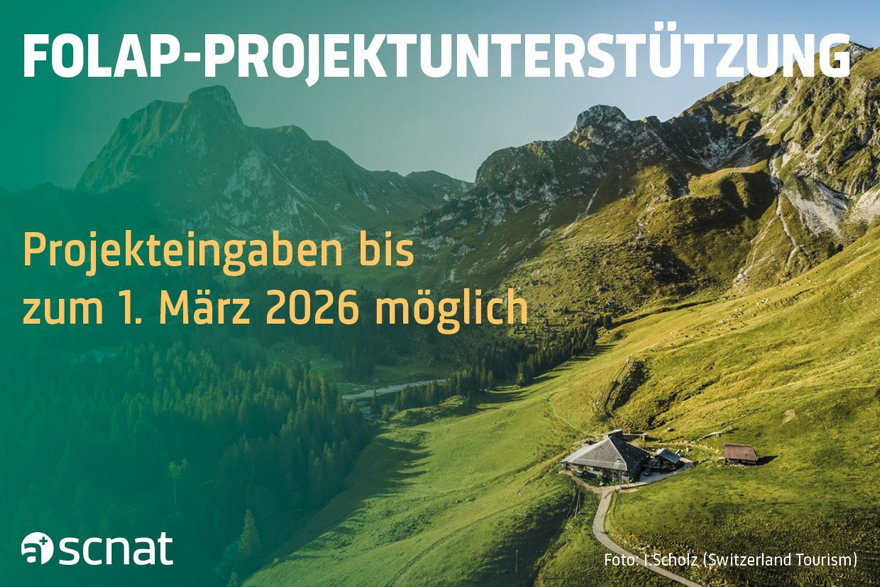
| | | FoLAP Projektunterstützung 2026Call für Projekte | |
| | Das Forum Landschaft, Alpen, Pärke unterstützt 2026 erneut Projekte mit transdisziplinärem Charakter zu den fünf Kernthemen des Forums (Gesundheit und Landschaft, Landschaftskultur, Lebensstil und Landschaft, Klimaschutz und Landschaft, Landschaften im räumlichen Beziehungsnetz). Die Fördermöglichkeit richtet sich an ein breites Publikum aus Forschung, Praxis, Planung und Verwaltung. Die Anträge für 2026 können bis am 1. März 2026 online eingereicht werden. Mehr/ vers la version française | |
|
|
|
|
|
| | | SWIFCOB 26 - Zukunft Biodiversität Schweiz23. Januar 2026 | Bern | |
| | Die nächste Generation soll eine biodiverse Schweiz von uns erben. Doch sind wir dazu auf Kurs? Wie hat sich die Biodiversität seit der Jahrtausendwende entwickelt – und welche Faktoren treiben diese Veränderungen an? Vor allem aber: Welche Weichen müssen wir heute stellen, um eine biodiverse Zukunft zu sichern? Der im Januar erscheinende Bericht des Forums Biodiversität Schweiz «Biodiversität in der Schweiz verstehen und gestalten» liefert dazu fundierte Antworten, welche an der SWIFCOB 26 diskutiert werden. Mehr/ vers la version française | |
|
|
|
|
|
| | This newsletter keeps you up to date about the sustainability related activities of SCNAT. The newsletter is released about three to four times a year. Please forward this newsletter to potentially interested colleagues. If you don't want to get the newsletter in the future, please hit the unsubscribe link at the bottom of this message.
| |
|
|
|
|