| | Commission for Research Partnerships with Developing Countries (KFPE)
Newsletter
25 February 2025 | |
|
|
|
 |
| |
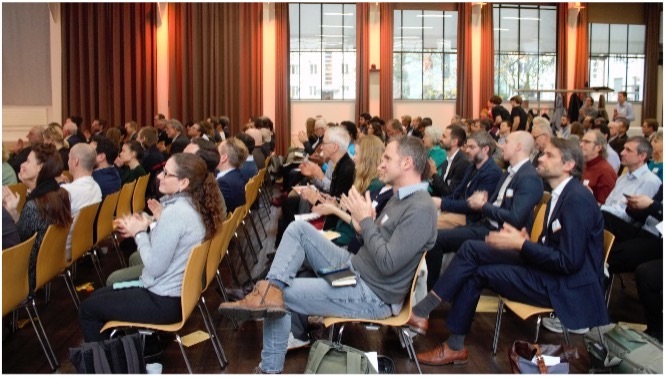
Save the Date: KFPE Annual Conference on “AI in Global Research Partnerships", 20 June, 13:00 – 17:30, Eventfabrik Bern
AI is
revolutionizing research by accelerating data analysis, enabling complex
simulations, and uncovering patterns that were previously undetectable. It
enhances productivity and fosters collaboration across disciplines and continents.
However, it also raises challenges related to ethics, data bias, and the need
for interpretability in AI-driven research.
Join us for
an interactive conference where we explore how AI affects global research
collaborations and how we can harness such technologies responsibly and
inclusively to advance global research. Discussions will range from practical
applications of AI tools to general ethical questions associated with this new
technology. The conference includes presentations, workshops and interactive discussions
to shape together the future of AI in global research. More information will follow in due course on the KFPE website. Registrations will open in April. Call for ideas for online workshops
In the
weeks leading up to the conference, we will host a series of online workshops
addressing the topic of AI and global research collaborations. Which promises does
AI hold for bridging multilingualism and different world views? How does AI
support qualitative data interpretation in practice? Can we improve global
teaching collaborations through AI? – submit your idea for an online workshop
to further explore a specific aspect associated to AI and global research
partnerships. The aim of the workshop series is to foster exchange and learn
from each other’s experiences with AI in the light of global research
partnerships. Submit your workshop idea until 23 March. | |
|
|
|
| | New Name: “Swiss Alliance for Global Research Partnerships"To better reflect who we are, we are revising our name. From the end of June 2025 onwards, the KFPE will be called Swiss Alliance for Global Research Partnerships (GRP-Alliance). Join us at the Annual Conference on 20 June to learn more about the reasons for this name change.
| |
|
|
|
| |
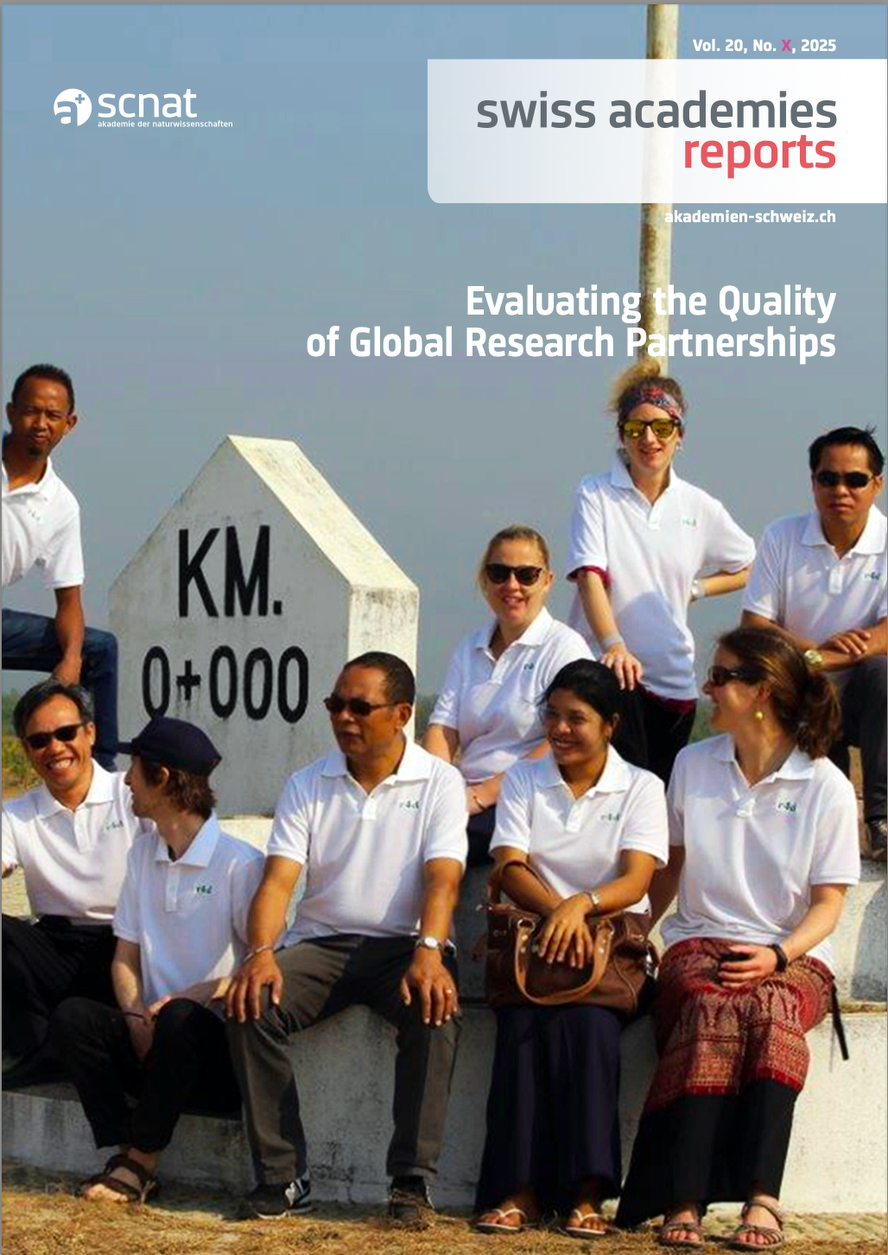
Evaluating the
Quality of Global Research Partnerships
This report presents recommendations for funding institutions for meaningfully
evaluating the quality of North-South research partnerships. On the one hand,
it formulates recommendations on what to evaluate, and which criteria seem to
be most important. On the other hand, the report provides suggestions on how to
evaluate. These recommendations are applicable in the stage of project proposal
submission and interviews (ex-ante), as well as for mid-term reviews and final
project evaluations (ex-post). | |
|
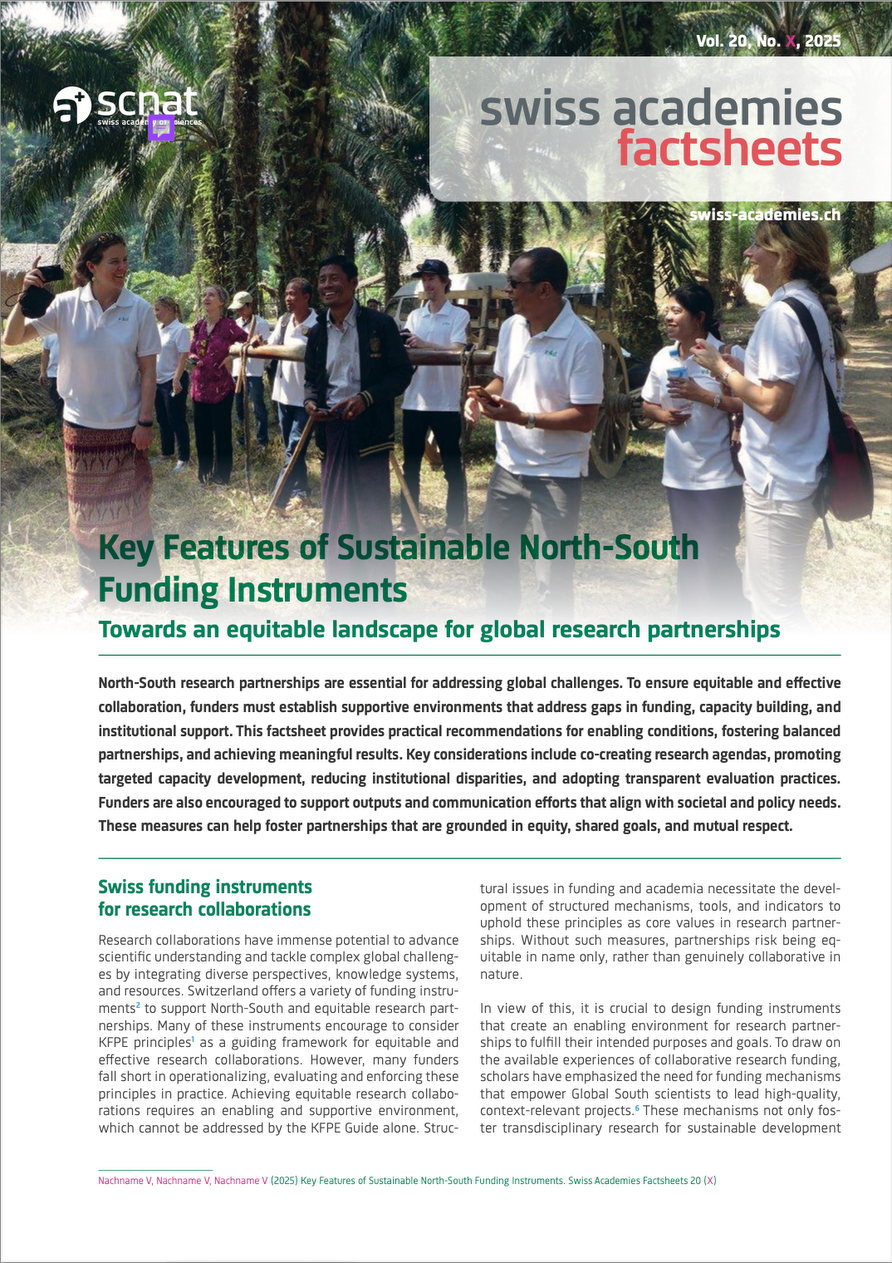
| | | Key Features of Sustainable North-South Funding
InstrumentsThis factsheet provides practical recommendations for enabling conditions, fostering balanced
partnerships, and achieving meaningful results. Key considerations include co-creating research agendas, promoting
targeted capacity development, reducing institutional disparities, and adopting transparent evaluation practices.
Funders are also encouraged to support outputs and communication efforts that align with societal and policy needs.
These measures can help foster partnerships that are grounded in equity, shared goals, and mutual respect.
| |
|
|
|
|
|
| | | | Swiss science diplomacy: exploring strategies, instruments, current priorities, and the role of international development cooperationThis SwissTPH, KFPE and CDE paper assesses the Swiss science diplomacy
ecosystem, examines its components and alignment with common frameworks,
and determines the potential impact of the current polycrisis.
Additionally, the article explores the overlaps with international
development cooperation. This first systematic portrayal of
national-level science diplomacy reveals a multifaceted ecosystem,
recognized as increasingly relevant by its principal actors and the
government. | | | |
|
|
|
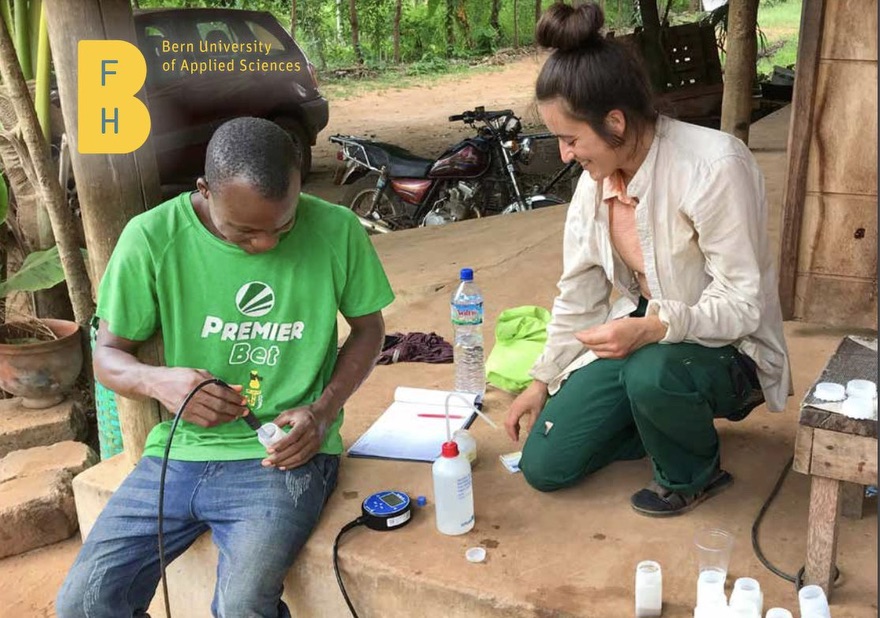
| | Eastern Switzerland University of Applied Sciences (OST) Knowledge Hub
From
Jan 28 to Feb 10, OST in collaboration with four universities in
Liberia and the support of Bowier Trust Foundation Switzerland (BTFS) implemented
a Winter School on “Water & Sun” as part of the Swiss Knowledge Hub (Chub).
The Chub aims to develop capacities around WASH, renewable energy, sustainable
construction and health in Liberia. 28 students and 10 lecturers worked on basic theory, practical training,
training-of-trainers and hands-on implementation of gained knowledge in real
systems. This activity aimed to strengthen partnership and develop
capacities as part of OST Global South Cooperation. | |
|
|
|
| | Swiss TPH: An old and almost forgotten disease persists
The decline
of leprosy is a public health success story. However, despite being curable,
the disease is still present in more than 100 countries, with 200,000 new cases
diagnosed each year. Read about the challenges of eliminating leprosy and the
work of Swiss TPH and its partners in the fight against the disease. | |
| | HAFL Hugo P. Cecchini Institute: Tunisian dairy farmers see success with field-school training
A recently concluded BFH-HAFL Hugo P. Cecchini Institute project took more than 400 Tunisian smallholder dairy farmers outside the classroom to co-develop knowledge and skills in a proactive way. Find out more
| |
|
|
|
| | UNESCO Chairs exchange ideas on Sport in Emergencies
UNESCO’s Fit for Life flagship programme is focusing on the transformative power of "Sport in Emergencies”. A
workshop, which took place from February 10 to 13, 2025 in
Doha, Qatar, underlined the need for sport as a tool for (immediate) resilience
and long-term recovery, especially in unforeseen crisis situations. | |
|
|
|
| | |
European Scholarship Programme - You and Europe The European Scholarship Programme is aimed at European students wishing
to complete a master’s programme in Germany. Specifically, the programme seeks to promote international dialogue on
European issues and create a network of outstanding, socially engaged
students who are committed to European cohesion. More information
| |
|
|
|
|
|
| | |
nexBio Amazônia 2nd edition nexBio Amazônia aims to bring together Swiss and Brazilian startups to work in areas of the Amazon bioeconomy. The main objective is to initiate sustainable, short-term, easy, and quick-to-implement technological solutions that improve the sustainability and efficiency of existing production chains. Apply by 14 March 2025 | |
|
|
|
|
|
| | |
REPIC project funding Projects in the field of Renewable Energy, Energy and Resource Efficiency Promotion in Developing and Transition Countries can apply for funding by REPIC. You can submit your outlines and proposals at any time. More information
| |
|
|
|
|
|
| | | | | Leading House Latin America: Research Partnership Grant This grant aims to strengthen or initiate a scientific exchange between Swiss and Latin American researchers and institutions by enabling them to jointly undertake preliminary research and organize meetings, conferences, or workshops. Apply by 30 April 2025 LH Latin America: Scientific and Community Outreach grant
This initiative is designed to empower former Leading House grantees by providing support for their outreach endeavors. This grant aims to facilitate the dissemination of project results to diverse audiences, including the public, scientific communities, and relevant stakeholders. Apply by 30 March 2025 | | | |
|
|
|
|
|
| |
Further news on funding and scholarships can be found on the KFPE website. | |
|
|
|
| | |
Brown bag lunch: Guide evidence-based interventions in the context of protracted crises 11 March, 12:00 - 13:30, Zollikofen
Professor Mirko Winkler (Swiss TPH), and Dr. Federico Sittaro, (ICRC), will share lessons learnt from the development and application of a novel methodology that marks a shift from a reactive, crisis-driven approach to a proactive, anticipatory strategy. Contact sdc.researchdesk@eda.admin.ch
| |
|
|
|
|
|
| | |
SOR4D Seminar, Resilience in the Sundarbans 18 March, 12:00 - 13:30, Zollikofen
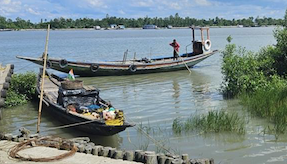
The seminar will present the transdiciplinary research project Social resilience in the Sundarbans, which is part of the SOR4D programme. It examines how
small-scale farmers in India and Bangladesh perceive
their social vulnerability and their exposure to multi-hazards. Contact sdc.researchdesk@eda.admin.ch
| |
|
|
|
|
|
| | |
Humanitarian Action in the Digital Age 17 March, 17:30 - 19:30, Zürich The event will highlight collaborative research projects that enable
humanitarian actors to prepare for the digital dimensions of armed
conflicts and that leverage digital technologies and artificial
intelligence to support humanitarian action. More information
| |
|
|
|
|
|
| | |
Liquid Urbanisms in Africa: Thinking Climate Adaptation with and through Water 12-13 June, University of Basel Faced with rising sea levels, cities across the globe are being remade
to confront the threat of water. Using water as a way of seeing through,
with and about climate-related urban issues, this workshop invites a
critical examination of the urban/water interface in African coastal
cities. More information
| |
|
|
|
|
|
| | |
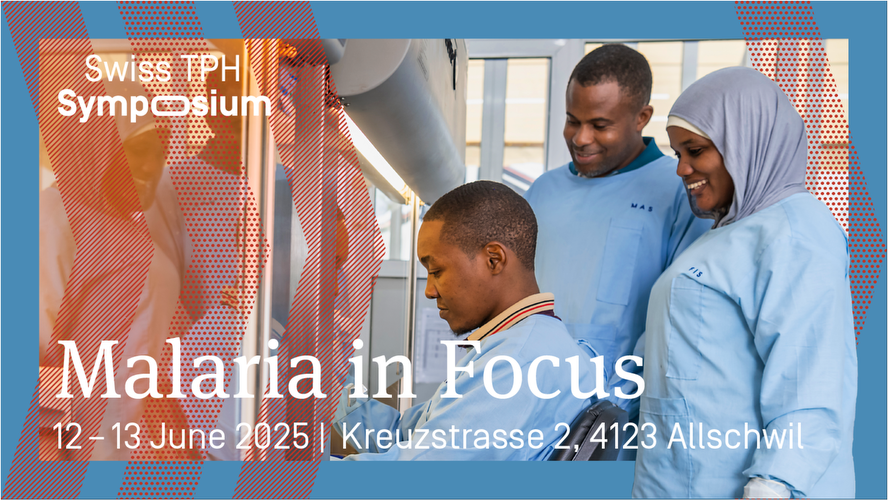
Malaria in Focus: From Research to Global
Action, 12–13 June, Allschwil Malaria remains one of the most pressing global
health challenges. Join leading experts from academia, international
organizations, and the public and private sectors to share insights and discuss
innovative solutions to reinvigorate our fight against malaria. More information
| |
|
|
|
|
|
| | | | | HAFL Hugo P. Cecchini Institute Annual Event 10 June, 14:00 - 17:30, Zollikofen In 2025, the HAFL Hugo P. Cecchini Institute Annual Event keynote speakers and workshops focus on themes related to the 2025 International Year of Cooperatives. More details are coming soon on the institute’s website. | | | |
|
|
|
|
|
| | | | | Save the Date: Annual REPIC event
27 November, Bern A wide range of stakeholders will come together for discussions and presentations. In addition, you will have the opportunity to get to know numerous foundations during this year’s marketplace. More information will be available on repic.ch | | | |
|
|
|
|
|
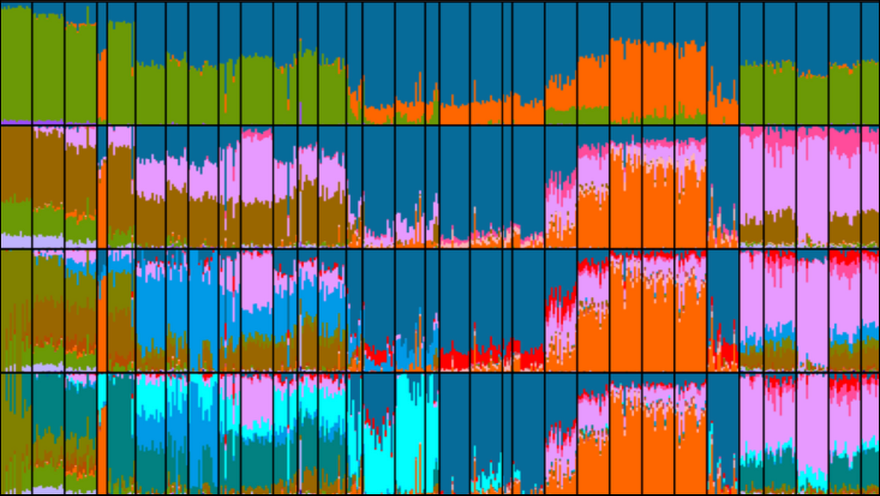
| | | | | The African Genome at the Disciplinary Crossroads: how to widen the
scope of genomics’ methods across to the humanities and social sciences1–3 September, BaselThis conference brings together scholars across the traditional "divide"
between the natural sciences and the social sciences and humanities in
order to explore how issues of identity and ethnicity play out in
genomics research at an interdisciplinary level. More information | | | |
|
|
|
|
|
| |
ETH-NADEL Decolonizing Aid, 5 - 9 May This course offers insights into the impacts of colonialism and its relics in contemporary aid management, and provides tools and approaches for decolonizing aid. Design Thinking for Sustainable Development, 26 - 28 May This course provides an introduction to design thinking for social impact. Participants will gain an introduction to the design thinking process, methods, tools, and mindsets, and experience and reflect on them through application to a real sustainable development challenge. Gender and Economics, 23 - 27 June The objective of this course is to strengthen the capacity of technical advisors and programme staff to formulate and implement gender-responsive economic policies. The Basics of Development and Cooperation – Theory and Practice, 19 - 21 June In this three-day course, you will learn essential tools and concepts of development and cooperation, connect theory and practice and interact with experienced practitioners.
| |
|
|
|
| | | Research for development: the meaning of equity in funder-level partnershipsThis report by UKCDR aims to contribute to the evolving conversation around equity in research partnerships, with a specific focus on how equity is understood and experienced by research funders in Low- and Middle-Income Countries (LMICs) and High-Income Countries (HICs). | |
|
|
|
|
|
| | |
Mountain Research and Development Vol 44, No 4
Articles present a framework for assessing benefits and costs of spring revival in Nepal, analyze livelihood strategy choices of herders in Iran, examine the prospects of sustainable tourism in southeastern Serbia’s protected areas, and present the origins, structure, objectives, and strategies of the Andean Social–Ecological Observatory Network. Three obituaries and the editorial pay tribute to the journal’s founding editor, Jack D. Ives. The issue is available online and open access
| |
|
|
|
|
|
| | |
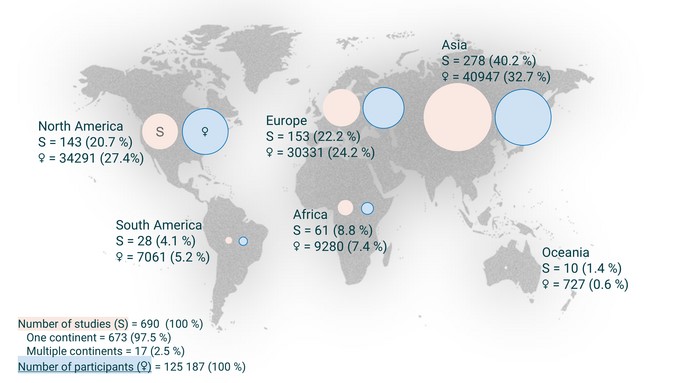
Researchers Call for Greater Global
Representation in Vaginal Microbiome Research
A new paper published in Trends in Microbiology
highlights significant geographical and socioeconomic gaps in vaginal
microbiome research. The paper, co-authored by researchers from Swiss TPH,
shows that only about 13% of vaginal microbiome studies focus on Africa or
South America, leaving critical gaps in understanding vaginal health globally. | |
|
|
|
|
|
| | |
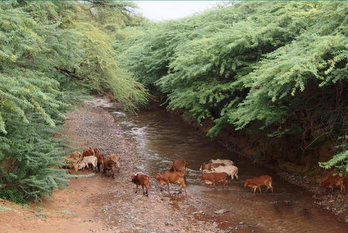
The
Ecology and Management of Invasive Prosopis Trees in Eastern Africa
This book synthesises information on the invasion of natural ecosystems in Africa by alien Prosopis trees. It addresses how the problem came about, what we know about how it works, and how it can potentially be managed at different scales. | |
|
|
|
|
|
| |
Did you like anything
in particular or did you miss anything in this newsletter? Please let us know, we are happy to receive your feedback.
Elisabeth Schubiger, Anja Bretzler and Fabian Käser | |
|
|
|
|